New and revolutionary methods of gene therapy are becoming available. However, they face the bottleneck of delivery to the target cells.
Sunbow is building new delivery systems to solve the issue of gene transfer. Our mission is to realize the full potential of gene therapy by applying next-gen delivery systems – first to Usher syndrome 2A, and then to other genetic diseases.
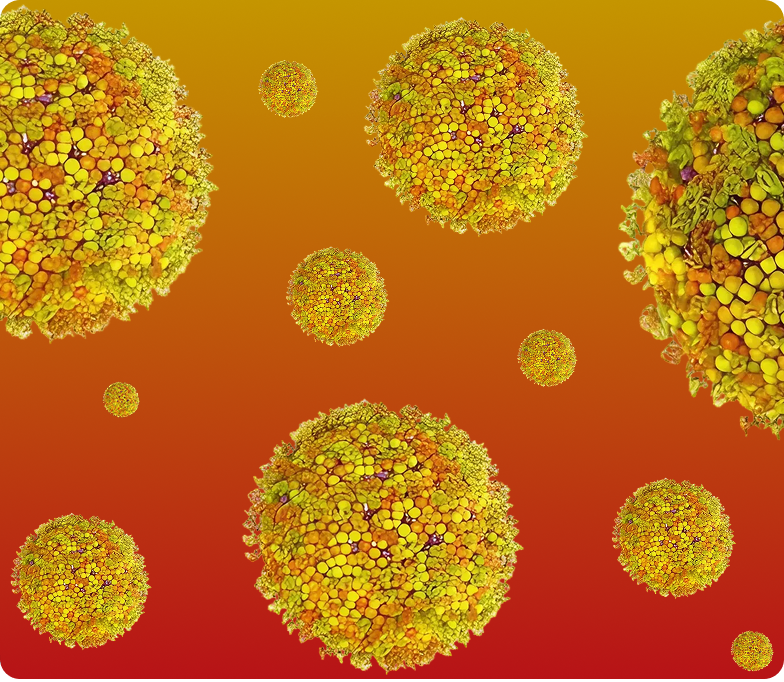
Currently, in vivo gene therapy relies on Adeno-Associated Virus, or AAV. However, AAV can be toxic, lacks cell type-specificity, and carries only a limited amount of DNA. Sunbow Therapeutics is developing virus-like particles (VLP’s) to safely deliver large DNA payloads to various human cell types.
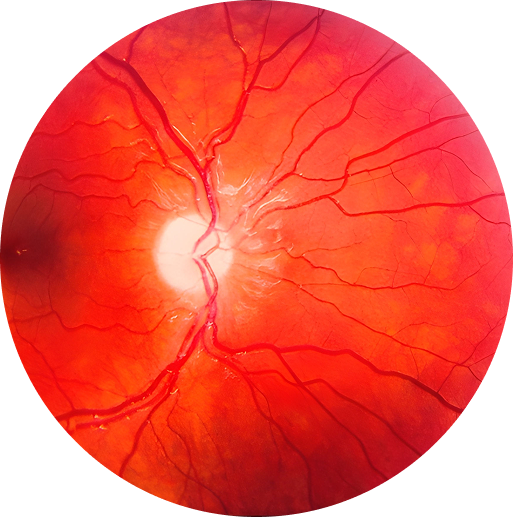
Usher Syndrome is a genetic disease that impacts both hearing and vision. Currently, there are no approved treatments for the vision component of Usher syndrome (retinitis pigmentosa). The most common type of this disease (type 2A) is caused by mutations in the USH2A gene. Some mutations in USH2A can cause retinitis pigmentosa but spare the hearing.
Impact on Hearing, Vision and Quality of Life
In Usher syndrome type 2A, hearing loss begins in early childhood, but it can be ameliorated by cochlear implants. Vision loss starts during teenage years and progresses gradually; there is no approved treatment. Poor night vision and a progressive loss of peripheral vision in Usher can interfere with some abilities that many of us take for granted, such as navigating at dusk or driving, and often result in legal blindness.
The Sunbow Usher Program
Sunbow Therapeutics is focusing on new methods to treat Usher syndrome type 2A and the related retinitis pigmentosa. The size of USH2A makes the disease impervious to AAV approaches, but gene therapy under development at Sunbow provides a path to treatment. We aim to restore the function of the missing USH2A gene, halt cell death in the retina and preserve vision.